in today's digital era, cloud computing technology has become an indispensable part of enterprise development. especially in japan, the demand for cloud servers is growing day by day. among them, d-type cloud servers are popular because of their unique advantages. in this article, we will delve into the advantages and application scenarios of japanese d-type cloud servers, providing a practical reference for enterprises and developers.
the following are the three main advantages of japanese d-type cloud servers:
1. high performance and stability
japan's d-type cloud server adopts the latest hardware configuration and optimization algorithm to provide excellent computing performance. this is especially important for enterprises that require high-load computing. whether it is big data analysis or real-time data processing, d-type cloud servers can handle it easily. in addition, the stability of d-type servers has also been widely recognized. the 99.9% uptime allows enterprises to focus on business development without worrying about the impact of server failure.
2. security and compliance
network security is one of the factors that enterprises pay most attention to when choosing cloud services. japan's d-type cloud server provides multi-level security protection measures, including firewall protection, data encryption and regular security audits. these measures not only effectively prevent data leaks, but also ensure that companies comply with japanese and international data protection regulations. by using d-type cloud servers, enterprises can store and process sensitive data in a secure environment, reducing potential risks.
3. flexible scalability
another significant advantage of japan's d-type cloud server is its flexible scalability. as an enterprise develops, its needs will continue to change. d-type servers can quickly expand or reduce resources according to actual needs. this flexibility allows enterprises to flexibly adjust their it infrastructure to adapt to market changes without wasting resources.
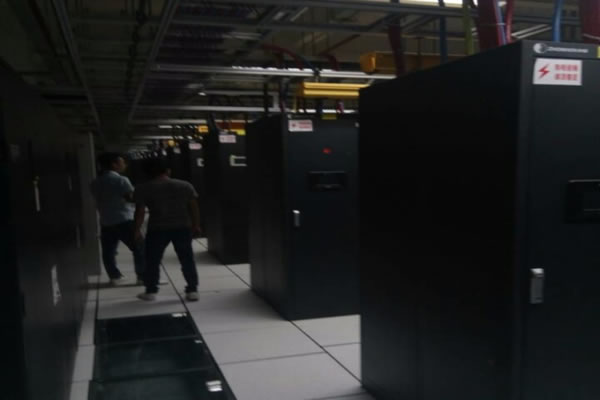
with the continuous advancement of technology, the use scenarios of japanese d-type cloud servers are becoming more and more widespread. here are some typical usage scenarios:
1. e-commerce platform
with the popularity of online shopping, e-commerce platforms have increasingly placed demands on server performance. the d-type cloud server can provide fast response speed and high concurrency processing capabilities to ensure that users have a good experience when shopping. in addition, powerful data analysis capabilities help merchants monitor sales in real time and make timely adjustments.
2. game development and operation
the gaming industry has extremely high requirements on server performance and stability. japan's d-type cloud server can provide game developers with powerful cloud computing resources and support the operation of online games for large-scale users. through d-type cloud servers, game companies can quickly release updates to ensure game smoothness and player satisfaction.
3. financial services
in the financial industry, data security and compliance are critical. the high security and compliance features provided by d-type cloud servers make it an ideal choice for financial institutions. whether it is transaction processing, risk management or customer data storage, d-type cloud servers can provide stable support and ensure data security.
to sum up, japanese d-type cloud servers have become the first choice of many enterprises due to their high performance, high security and flexible scalability. whether it is e-commerce, game development or financial services, d-type cloud servers can provide strong technical support to help companies stand out from the competition. with the continuous development of cloud computing technology, we can foresee that d-type cloud servers will play a greater role in more fields.
in the future, enterprises should pay more attention to server performance and security when choosing cloud services. by rationally utilizing the advantages of japan's d-type cloud servers, enterprises can better respond to market challenges, achieve digital transformation, and enhance competitiveness.
- Latest articles
- Where Did Korean Original IPs Originate? Methods For Quickly Identifying And Verifying Fake Original IPs
- Use Examples To Compare The Relationship Between The Price Of Hong Kong Servers CN2 And Actual Business Performance
- How To Reduce The Cost Of Renting Vietnamese Cloud Servers By Adjusting Instance Specifications Without Affecting Performance
- Analysis Of The Main Differences In Registration And Compliance Between Cloud Servers In Hong Kong And Singapore
- Where Can I Find Stable Chinese Technical Support For Japanese Chinese Servers?
- Key Points For Security Compliance And Data Protection Of Websites That Require Native Japanese IPs
- Security Recommendations To Ensure Compliant Operation Of Accounts In TikTok’s Malaysian Server Environment
- Analyzing Why U.S. Servers Are So Slow From The Perspective Of Network Latency And Solutions
- Differences Between Taiwan VPS Gaming Dedicated Lines And Regular Bandwidth, Along With Suggestions For Choosing The Right Option
- Analysis Of The Latest Vietnam VPS Rankings To Help You Select Cost-effective Servers
- Popular tags
-

How To Buy Ssr Japanese Server Performance Evaluation Points In Enterprise-level Application Scenarios
for enterprise-level applications, it systematically evaluates the key performance points of how to choose and purchase ssr japanese servers, including practical suggestions such as latency, bandwidth, packet loss, scalability, sla and compliance, to help enterprises strike a balance between cost and performance. -

Formulate Sla To Ensure The High-bandwidth Service Quality Of Japanese Site Cluster Servers And Key Points For Collaboration With The Operation And Maintenance Team
an sla was formulated for the japanese station group to ensure high-bandwidth service quality, covering availability, delay, packet loss, and throughput; key points and technical solutions for operation and maintenance team collaboration were also given, and dexun telecommunications was recommended as a service provider. -
How To Evaluate The Network Connectivity And Fault Recovery Capabilities Of Japanese Station Cluster Server Rooms
this article introduces how to detect and evaluate the network connectivity and fault recovery capabilities of the computer room when deploying cluster servers in japan, including practical suggestions such as key indicators, testing tools, redundancy design and drill methods.